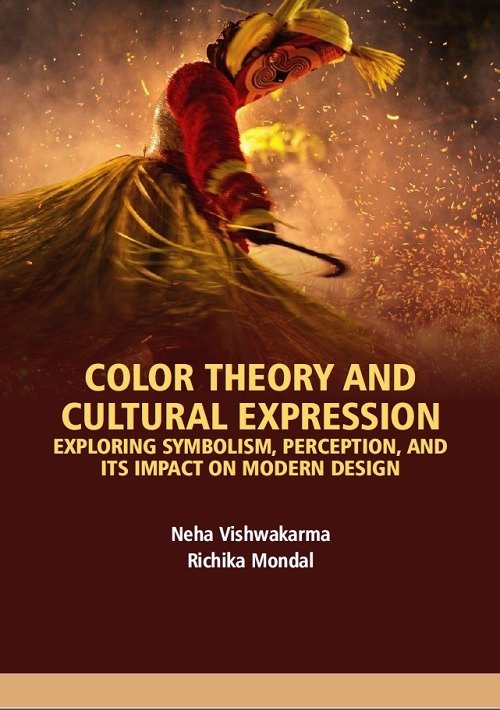
Look around you. From the clothes you wear to the flags flying high, the language you speak, and the gestures you make, Cultural Impact & Symbolism is at play, constantly shaping your identity and driving the subtle (and not-so-subtle) currents of social change. It's the silent language of humanity, a powerful, pervasive force that allows us to convey the most complex ideas, emotions, and affiliations without uttering a single word. Far from being mere decorative flourishes, symbols are the bedrock of human expression, embedding meaning into everything we touch, see, and believe.
They are the shorthand of culture, the visual anchors that hold communities together, and often, the sparks that ignite revolutions. Understanding this profound relationship isn't just an academic exercise; it's a vital skill for navigating our interconnected world, appreciating diverse identities, and contributing meaningfully to conversations that matter.
At a Glance: What You'll Discover About Cultural Impact & Symbolism
- The Pervasive Power of Symbols: How everyday objects, images, and language embody deep cultural meanings.
- Identity & Belonging: Why symbols are crucial for shaping individual and collective identities.
- Anthropological Insights: Key theories from Victor Turner, Edmund Leach, and Sherry Ortner that reveal how symbols organize societies and meaning.
- Engines of Change: How symbolism becomes a potent tool for challenging norms and driving social movements.
- Modern Manifestations: The role of symbols in contemporary art, fashion, digital culture, and daily life.
- Navigating Nuances: Practical applications and the inherent complexities of interpreting symbolic meaning across cultures and over time.
The Silent Language of Identity: Weaving Who We Are
At its core, symbolism is about meaning-making. It’s how we, as humans, attach abstract concepts—love, courage, justice, faith—to concrete forms. These forms, whether a specific color, an animal, a piece of jewelry, or a particular architectural style, become shorthand for shared histories, beliefs, and values. They are the visible threads woven into the fabric of a culture, giving it its unique texture and character.
Think about it: a simple piece of jewelry isn't just an adornment. A Celtic knot, for instance, transcends its intricate design to represent eternal love and unity, speaking volumes about the values of a culture. Similarly, the delicate Japanese cherry blossom (sakura) embodies the fleeting, beautiful nature of life, a profound philosophical concept distilled into a bloom. And for many Native American cultures, a dreamcatcher hanging above a bed offers not just aesthetic appeal but protection from bad dreams, a tangible link to spiritual beliefs and ancestral wisdom. These aren't random associations; they are meanings deeply rooted in history, collective experience, and shared understanding.
Cultural Exchange vs. Appropriation: A Critical Distinction
As cultures interact, symbols often cross borders. This exchange can be incredibly enriching, fostering diversity and mutual understanding. However, a crucial line exists between respectful appreciation and cultural appropriation. When symbols are adopted, worn, or used without a deep understanding of their original significance, history, and context—or worse, in a way that disrespects or commodifies the originating culture—it strips them of their power and can cause real harm. It underscores the vital need for awareness and respect when engaging with the symbolic expressions of others.
Unpacking Meaning: Anthropological Lenses on Symbolism
For anthropologists, symbols aren't just cultural ornaments; they are a fundamental system for organizing everything from our sense of identity to our social relationships. Unlike a "sign," which has a direct, one-to-one connection to its meaning (like a stop sign), a "symbol" operates through shared cultural understanding. Its meaning is learned, interpreted, and often open to multiple layers of significance.
Let's explore how some seminal thinkers in anthropology have illuminated the profound ways symbols work within societies.
Victor Turner: Symbols in Action and Transformation
Based on his groundbreaking studies of the Ndembu people of Zambia, Victor Turner revealed that symbols are far from passive representations. Instead, they are active agents that create and transform social relationships, especially during rituals. Turner introduced several key concepts:
- Multivocal Symbols: These are symbols that simultaneously communicate multiple meanings, often seemingly contradictory ones. For instance, a particular tree might symbolize womanhood, ancestral wisdom, and community unity all at once for the Ndembu. This layering of meaning allows symbols to resonate with different individuals and groups in complex ways.
- Dominant Symbols: These symbols are central to a culture's worldview. They are emotionally charged, often anchoring major ceremonies and rituals, and encapsulate core values and beliefs. Think of a nation's flag or a religious icon.
- Instrumental Symbols: These symbols are specific to particular rituals and help achieve concrete goals within that ritual context. They might guide participants through specific actions or signify a particular stage in a ceremony.
Turner's work highlighted how rituals, permeated by these various symbols, become powerful arenas for expressing, reinforcing, and even challenging social structures and individual identities.
Edmund Leach: Organizing Time and Social Roles
Anthropologist Edmund Leach focused on how symbols provide frameworks for organizing our experience of time and our understanding of social roles. He argued that cultures don't just "live through" time; they construct it through symbolic practices.
- Symbolic Construction of Time: Festivals and celebrations, for example, are highly symbolic acts that mark distinct periods. They transform ordinary, everyday time into "special time"—a concept you readily grasp with holidays like Christmas, where specific symbols (trees, lights, carols) immediately create "Christmas time."
- Ritual Inversions: Leach famously explored "ritual inversions" during celebrations like carnival, where social hierarchies are temporarily reversed. Peasants might mock nobility, or traditional roles are flipped. This isn't chaos; it's a symbolic pressure release that paradoxically reinforces normal boundaries, fosters group solidarity, and marks significant temporal shifts (e.g., the end of one season and the beginning of another). These inversions allow societies to playfully test and ultimately reaffirm their established orders.
Sherry Ortner: Key Symbols and Cultural Problem-Solving
Sherry Ortner further refined our understanding of symbolic power with her concept of "key symbols." These symbols, she posited, encapsulate and organize a culture's most important values and ideas. She identified two main types:
- Summarizing Symbols: These symbols condense complex ideas and emotional energies into a single, potent representation. They evoke a whole cluster of meanings and feelings. The American flag, for instance, isn't just a piece of cloth; it's a summarizing symbol for democracy, freedom, sacrifice, and national identity. Similarly, the Christian cross condenses ideas of sacrifice, redemption, and faith.
- Elaborating Symbols: In contrast, elaborating symbols provide frameworks for thinking through cultural problems and possibilities. They offer models for and models of reality, helping people generate new ideas and strategies. Ortner cited the Sherpa concept of "key" as an elaborating symbol for social mobility and success, providing a framework for understanding and pursuing advancement. Another classic example is "the American Dream," which, while often debated, serves as an elaborating symbol that provides a framework for individual aspiration, hard work, and the pursuit of a better life. It encourages us to consider the journey as much as the destination, much like the three little pigs and the story offers a simple, yet elaborating framework for understanding prudence and hard work.
Symbols in Motion: Driving Social Change and Shaping Modern Culture
Symbols are not static artifacts of ancient times; they are dynamic tools, constantly being reinterpreted, created, and wielded to challenge, inspire, and unite. Their influence is undeniable in driving social change, shaping contemporary culture, and even defining our daily interactions.
Catalysts for Social Change: Challenging Norms, Inspiring Action
Symbolism is a remarkably potent force for challenging entrenched social norms and inspiring collective action. When artists, activists, and designers appropriate existing symbols, use them unconventionally, or create entirely new ones, they often aim to critique society, raise awareness, and build solidarity.
- Awareness and Advocacy: Consider the pink ribbon, a simple yet universally recognized symbol for breast cancer awareness. It transcends language barriers, immediately communicating support, hope, and the need for research. Similarly, the peace symbol became an iconic representation of the anti-war movement, and the rainbow flag powerfully articulates LGBTQ+ pride and the ongoing fight for equality. These symbols don't just stand for something; they actively do something—they mobilize, they inform, and they challenge.
- Artistic Critique: Groups like the Guerrilla Girls famously use bold, symbolic imagery (gorilla masks, striking typography) to challenge sexism and racism within the art world, creating a visual language of protest that is both memorable and confrontational. Such symbolic acts can shift narratives and demand attention where traditional methods might fail.
The Modern Canvas: Symbolism in Contemporary Culture
In today's fast-paced world, symbolism remains as vibrant as ever, adapting to new forms and platforms.
- Art and Fashion: Contemporary art often employs symbols, both traditional and newly invented, to comment on social issues, explore identity, and evoke emotional responses. Fashion designers, too, are adept at incorporating symbolic elements—from textile patterns that reflect cultural heritage to silhouettes that make political statements or challenge gender norms. A particular brand logo, while seemingly just a mark, carries immense symbolic weight regarding status, aspiration, and identity for consumers.
- Digital Spheres: Our digital lives are increasingly infused with symbolic expression. Our profile pictures, avatars, choice of emojis, and the memes we share all function as symbols. An emoji can convey a complex emotion or reaction instantly. A meme, often a simple image with text, becomes a shared cultural artifact, communicating humor, irony, or social commentary with remarkable speed and widespread understanding. These digital symbols create new forms of identity, community, and communication.
Daily Encounters: Symbols in Everyday Life
Beyond grand movements and high art, symbolism permeates our most mundane activities. We engage with symbols constantly, often without conscious thought:
- Clothing and Personal Expression: The clothes you choose to wear, the brands you favor, or even the particular way you style your hair can be deeply symbolic, signaling your affiliation, social status, mood, or personal identity. A luxury handbag, for instance, isn't merely a container for essentials; it often functions as a summarizing symbol of status, success, and aspiration.
- Food and Home: Even food choices carry symbolic weight, reflecting cultural traditions, religious beliefs, or personal values. The arrangement of furniture in a living space, the decor you choose, and the objects you display can symbolically represent comfort, family, professionalism, or artistic flair.
- Language as the Ultimate Symbolic System: Language itself is the most fundamental and powerful symbolic system we possess. Words are symbols for concepts, objects, and emotions. Our use of language creates social boundaries, establishes authority, and expresses nuanced emotions. The phenomenon of "code-switching"—shifting between different linguistic styles or languages depending on the social context—is a prime example of language's symbolic function in marking identities and navigating social situations.
Navigating the Nuances: Practical Applications and Persistent Challenges
Understanding the intricate workings of symbolism isn't just intellectually stimulating; it has tangible applications across various fields, even as it presents complex methodological challenges.
Real-World Applications: Harnessing Symbolic Power
From boardrooms to ballot boxes, a deep understanding of symbolism can be strategically applied:
- Marketing and Branding: Businesses heavily rely on symbolism to create emotional resonance and brand loyalty. A logo, a jingle, a color palette—all are carefully chosen symbols designed to evoke specific feelings and associations, making a product or service stand out in a crowded market.
- Urban Planning and Architecture: The design of public spaces and buildings often incorporates symbolism to convey civic values, historical narratives, or aspirational ideals. Statues, monuments, and even the layout of a city can symbolically reinforce community identity or national pride.
- Mental Health and Therapy: In some therapeutic approaches, clients are encouraged to explore personal symbols (in dreams, art, or personal objects) to gain insights into their subconscious thoughts, feelings, and inner conflicts.
- Political Movements and Public Policy: Political campaigns expertly deploy symbols—slogans, gestures, specific colors, and imagery—to rally support, define opponents, and shape public opinion. Understanding these symbolic battles is crucial for analyzing political discourse and societal tensions. Indeed, many cultural conflicts, whether over flag displays, public monuments, or symbolic gestures, are fundamentally about conflicting symbolic meanings and the values they represent.
Methodological Challenges: The Elusive Nature of Meaning
Despite its pervasive influence, studying symbolism is fraught with challenges for researchers:
- Varying Meanings: A single symbol can have widely different meanings within the same culture, depending on sub-groups, individual experiences, and social contexts. Even more challenging is interpreting symbols across vastly different cultures.
- Temporal Shifts: Symbolic meanings are not static; they evolve, adapt, and sometimes completely change over time. What once represented virtue might now symbolize oppression, or vice versa. Tracing these shifts requires careful historical and cultural analysis.
- Observer Influence: The very act of observing and interpreting symbols can influence their meaning, or at least how that meaning is expressed or perceived. Researchers must strive for cultural sensitivity and reflexivity, acknowledging their own biases and perspectives.
Balancing the human capacity for universal symbolic thought with the extreme cultural specificity of how those symbols are expressed and interpreted requires careful, nuanced consideration. There's no single Rosetta Stone for all symbolic meaning.
Making Sense of the Symbolic World
The world around us isn't just filled with objects; it's teeming with meaning. Every choice, every tradition, every image carries layers of significance that reveal our deepest values, our shared histories, and our collective aspirations. By honing your ability to "read" these symbolic cues, you gain a richer appreciation for the tapestry of human experience.
You become more discerning about the messages you consume, more intentional about the messages you project, and more empathetic to the diverse ways humanity makes sense of its existence. From the subtle nod to the grand gesture, from ancient rituals to digital memes, cultural impact and symbolism are the invisible forces that shape who we are and where we're going. Start looking for them, and you'll find a deeper understanding of the world unfolding before your eyes.