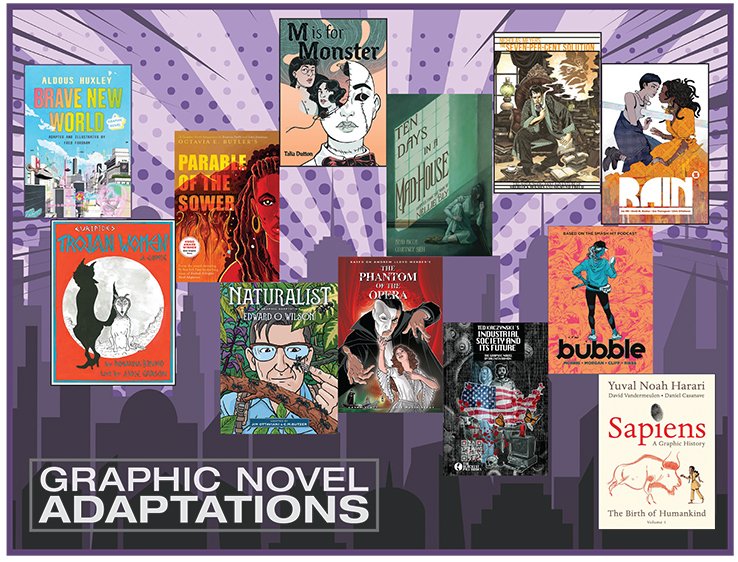
It's a curious alchemy, isn't it? To take a story etched into the collective consciousness – a masterpiece born centuries ago – and infuse it with the pulse of today. This isn't mere mimicry; it's the art of Modern Adaptations & Retellings, a vibrant literary movement that breathes fresh life into beloved narratives, proving that the greatest tales are truly timeless. We're not just revisiting old friends; we're seeing them through new eyes, in new clothes, and often, with entirely new destinies.
This guide delves into the fascinating world where the past meets the present, exploring why these reimagined classics resonate so deeply and what makes them such compelling reads.
At a Glance: Your Quick Takeaways
- What They Are: Modern adaptations and retellings are new versions of classic stories, updated with fresh perspectives, diverse voices, and contemporary cultural or social contexts.
- Why They Exist: They make classics accessible, challenge established narratives, explore untold stories, and keep literature relevant for new generations.
- Types of Transformations: These can range from subtle time-and-place shifts to radical changes in genre, character focus, or thematic exploration.
- Shakespeare's Enduring Legacy: The Bard's plays are particularly fertile ground for retellings, demonstrating their universal themes.
- Classic Novels Reborn: Iconic novels find new dimensions when reimagined through modern lenses, tackling current social issues or diversifying character perspectives.
- A Reader's Delight: These books offer a unique blend of familiarity and novelty, inviting both discovery and appreciation for storytelling's enduring power.
Why We Adapt: The Enduring Power of Story
The impulse to retell stories is as old as humanity itself. Think about myths and legends passed down through generations, each storyteller adding their own flavour. Modern adaptations are simply the latest iteration of this tradition, driven by a powerful desire to connect the foundational narratives of our past with the complex realities of our present.
Why this relentless reinvention?
- Universal Themes, Ever-Changing Contexts: Love, loss, ambition, betrayal, family, justice – these are constants. What changes is how we experience them within our societies. A retelling allows us to explore these eternal themes through a contemporary lens, making them resonate with new audiences facing modern dilemmas.
- Giving Voice to the Unheard: Many classics, by nature of their time, featured limited perspectives. Modern retellings often empower marginalized characters, shift the narrative to women, people of color, LGBTQ+ individuals, or other underrepresented groups, enriching the story and addressing historical silences.
- Cultural Relevance and Accessibility: For many, the language or societal norms of a centuries-old text can be a barrier. Retellings strip away the archaic, replacing it with settings, dialogue, and situations that are immediately recognizable, inviting readers who might otherwise shy away from the originals.
- Challenging the Canon: Sometimes, an adaptation isn't just about updating; it's about critiquing. It can expose problematic elements in the original text or offer a counter-narrative, prompting us to think critically about the stories we've long held sacred.
At its heart, a retelling asks: "What if?" What if the central conflict of Romeo and Juliet wasn't just family feuds, but rival gangs in 1920s Shanghai facing a literal monstrous threat, as seen in Chloe Gong's These Violent Delights? Or what if a character like Lady Macbeth, so often villainized, was explored with deeper ambition and complexity in a world that shaped her ruthlessness, as Ava Reid does in Lady Macbeth? These questions spark creativity and ignite new conversations.
The Many Faces of Retelling: What Kind of Adaptation Are You Reading?
Modern adaptations aren't a monolith; they come in a dazzling array of forms, each offering a unique spin on its source material. Understanding these approaches helps you appreciate the craft and intentionality behind each new version.
1. Time & Place Shifts: Familiar Faces in New Cities
Perhaps the most common type, these retellings transport the original plot or characters to a different era or geographical location, often with fascinating results. The core narrative arc remains largely intact, but the setting introduces new challenges and cultural nuances.
- Shakespeare's The Tempest in Prison: Margaret Atwood's Hag Seed brilliantly moves Prospero's exile and revenge plot to a modern-day prison, where a disgraced theater director stages The Tempest with inmates, exploring redemption and the transformative power of art.
- Romeo and Juliet in Boston Flower Shops: Jeanne Ray's Julie and Romeo sets the classic tale in contemporary Boston, featuring sixty-somethings Julie Roseman and Romeo Cacciamani, owners of competing flower shops whose families are still locked in a long-standing feud. It offers a lighthearted, age-defying take on the forbidden romance.
- Much Ado About Nothing in the Jazz Age: McKelle George's Speak Easy, Speak Love places the romantic misunderstandings of Beatrice and Benedick amidst a 1920s Long Island speakeasy, blending period charm with youthful drama.
2. Perspective Shifts: Uncovering Untold Stories
These adaptations delve into the minds of secondary characters or shift the entire narrative viewpoint, offering fresh insights and often challenging our previous understanding of the original.
- Huckleberry Finn from James's View: Percival Everett's James reimagines the iconic journey down the Mississippi from the perspective of James (formerly Jim), the enslaved man. It forces readers to confront the brutal realities of slavery and racism through his eyes, making the familiar story profoundly new and impactful.
- The Great Gatsby through Women's Eyes: Jillian Cantor's Beautiful Little Fools revisits 1922 Long Island, New York, focusing on the interwoven lives of Daisy Buchanan, Jordan Baker, and Catherine McCoy after Jay Gatsby's death, turning the novel into a suspenseful murder mystery and exploring themes of money, power, and desire from distinctly female perspectives.
- The Odyssey through Circe's Power: Madeline Miller's Circe expands the story of the infamous witch from The Odyssey. Born without power, Circe discovers witchcraft and is banished, navigating a world of gods and mortals, ultimately defining her own strength and destiny. This bestseller won the 2018 Goodreads Choice award for Best Fantasy.
- The Scarlet Letter's Inspiration: Laurie Lico Albanese's Hester reimagines the woman who might have inspired Hester Prynne, a Scottish seamstress in early 1800s Salem, delving into the historical context and the muse-storyteller relationship.
3. Genre Blends & Thematic Reimaginations: Pushing the Boundaries
These retellings take greater creative liberties, perhaps injecting new genres like fantasy, horror, or thriller elements, or completely re-envisioning the central themes and character arcs.
- Wuthering Heights on Ice: Layne Fargo's The Favorites transforms the intense passion of Wuthering Heights into the high-stakes world of Olympic ice-dancing, tracing Katarina and Heath's tumultuous journey from childhood sweethearts to champions, intertwined with a shocking incident and an unauthorized documentary.
- David Copperfield in Appalachia: Barbara Kingsolver's Pulitzer Prize-winning Demon Copperhead boldly sets Dickens's classic in contemporary Appalachia. Damon (Demon), born to a teenage single mother, navigates modern perils like foster care, child labor, and opioid addiction, using the original framework to examine institutional poverty in America.
- Beauty and the Beast with Alaskan Mythology: Eowyn Ivey's Black Woods, Blue Sky blends the classic fairy tale with Alaskan mythology, offering a darker, more mysterious take on the story of Birdie and the reclusive Arthur, complete with magical realism and fantasy elements.
4. Character Deep Dives & Subversions: Giving Nuance to Archetypes
Sometimes, an adaptation focuses on a character who was minor or even flat in the original, exploring their interiority, motivations, and journey in detail, or challenging their established archetype.
- The Other Bennet Sister: Janice Hadlow's The Other Bennet Sister gives Mary Bennet, the often-overlooked middle sister from Pride and Prejudice, her own path. It imagines her journey to self-acceptance and finding love, transforming her into a complex, well-rounded character.
- Emily Gale's Backstory: Hazel Gaynor's Before Dorothy tells the backstory of Dorothy's aunt, Emily Gale, setting it in 1930s Kansas and 1920s Chicago, against the backdrop of the Dust Bowl and family secrets.
5. Cultural & Social Context Revisions: Modern Issues on Ancient Frames
These retellings consciously integrate modern social issues, cultural specificities, or diverse identities into the fabric of the classic story, making the narrative speak directly to contemporary concerns.
- Pride and Prejudice in a Muslim Community: Uzma Jalaluddin's Ayesha at Last moves Austen's beloved rom-com to Toronto, Canada, within a Muslim cultural context. Ayesha, a poet resisting an arranged marriage, finds herself drawn to the conservative and judgmental Khalid, complicated by family expectations and rivalries.
- The Great Gatsby in 1940s Sugar Hill: Kyra Davis Lurie's forthcoming The Great Mann transports the enigmatic millionaire's story to 1945 Los Angeles (Sugar Hill), featuring a Black cast in central roles. It weaves in real historical events like racial covenants and figures like Hattie McDaniel, exploring ambition and lost love through a vital, underrepresented lens.
- Little Women in 1960s Chicago: Ann Napolitano's Hello Beautiful takes the sisterly bonds of Little Women to 1960s Chicago, focusing on the Padavano family and spanning nearly four decades. It explores family drama, depression, and suicide, offering an ultimately uplifting narrative.
- Mulan in Private Equity: Jesse Q. Sutanto's upcoming Mulan retelling (part of the Disney Fairy Tales Meant to Be series) places Mulan in the cutthroat world of male-dominated private equity, posing as her ill father to secure a crucial acquisition. This modern context adds corporate intrigue and gender role subversion.
These varied approaches highlight the incredible adaptability of classic stories, proving that their skeletons are strong enough to carry endless new flesh.
Just as the tale of the three little pigs has been told and retold to teach different lessons or evoke varying emotions, so too do literary masterpieces transform for new audiences.
Shakespeare Reimagined: A Master's Timeless Echo
No single author has inspired more adaptations than William Shakespeare. His plays, replete with universal human struggles, complex characters, and dramatic plots, are perfectly suited for modern interpretation. They offer a rich tapestry for authors to pull threads from, reweaving them into contemporary narratives.
Let's explore some notable examples:
The Tempest
- Hag Seed by Margaret Atwood: As mentioned, this Booker Prize-nominated novel cunningly places Prospero's story in a correctional facility, turning the theatrical revenge into a profound exploration of forgiveness and artistic expression within prison walls.
Romeo and Juliet
The ultimate tale of star-crossed lovers finds new life in diverse settings and circumstances:
- These Violent Delights by Chloe Gong: Set against the vibrant, dangerous backdrop of 1920s Shanghai, rival gangs led by Juliette Cai and Roma Montagov must unite against a monstrous threat, blending historical intrigue with fantastical elements.
- If You Come Softly by Jacqueline Woodson: This poignant YA novel explores first love between Elisha and Jeremiah, two outcasts in a New York City private school, grappling with belonging and the bittersweet nature of their bond.
- The Hundred Loves of Juliet by Evelyn Skye: This Alaskan-set tale introduces Helene and Sebastian, both with broken hearts from past relationships, weaving elements of magical realism into their fated encounter.
- Julie and Romeo by Jeanne Ray: A charming, less tragic version for adults, this Boston-based story features two sixty-somethings, Julie Roseman and Romeo Cacciamani, owners of rival flower shops, who discover an intense, forbidden attraction.
Lady Macbeth (character focus)
- Lady Macbeth by Ava Reid: This dark, atmospheric novel reimagines Lady Macbeth as a fiercely ambitious and complex woman navigating a treacherous world, diving deep into themes of ambition, power, and guilt with chilling intensity.
Twelfth Night
- Marriage & Masti by Nisha Sharma: A friends-to-lovers rom-com that borrows the mistaken identities and romantic chaos of Twelfth Night, with Veera and Deepak faking a relationship at a wedding.
- The Last True Poets of the Sea by Julia Drake: A looser retelling, this YA novel set in a small coastal town in Maine explores family history, self-discovery, and healing, drawing on the resilience of a shipwreck-surviving ancestor.
Hamlet
- Hamnet by Maggie O'Farrell: A critically acclaimed historical novel that imagines the life of Shakespeare's wife, Agnes Hathaway, and the profound grief over the death of their son, Hamnet, examining the intersection of life, death, and art that may have inspired the famous play.
- The King of Infinite Space by Lynsay Faye: A contemporary, magical New York City provides the stage for Ben Dane's life to unravel after his father's death, as he suspects foul play and grapples with existential angst.
King Lear
- A Thousand Acres by Jane Smiley: This Pulitzer Prize-winning novel transplants King Lear to a modern Iowa farm, following Larry Cook and his three daughters as family dynamics, power struggles, and betrayal unfold when Larry's life takes a turn for the worse.
Much Ado About Nothing
- Speak Easy, Speak Love by McKelle George: Set in a 1920s Long Island speakeasy, this young adult novel captures the witty banter, romantic misunderstandings, and dangerous dealings of Shakespeare's comedy with a jazz age twist.
Other Shakespeare-inspired narratives
Some authors draw on Shakespeare's life or general themes rather than a specific play:
- By Any Other Name by Jodi Picoult: Explores the intriguing idea of Emilia Bassano as the real author of Shakespeare's plays, drawing parallels between a 16th-century woman's sacrifice and a modern woman's struggles for artistic recognition.
- Cupid on the Loose by John J. Jacobson: A contemporary romance where Shakespeare-loving writers Billy and Kari play matchmaker for their friends, leading to their own reluctant journey toward commitment.
- It’s All Relative by Rachel Magee: A comedic take on family dynamics as soon-to-be stepsisters Helena and Amelia navigate a chaotic wedding, drawing inspiration from Shakespearean comedic elements of mistaken identity and romantic entanglements.
Classic Novels, Fresh Pages: Beloved Stories for a New Era
Beyond Shakespeare, the literary canon offers an equally rich source of material for modern authors. These retellings demonstrate the flexibility and enduring relevance of stories that have captivated readers for decades or even centuries.
The Great Gatsby
Fitzgerald's Jazz Age masterpiece continues to spark new interpretations:
- The Great Mann by Kyra Davis Lurie (forthcoming): Set in 1945 Los Angeles (Sugar Hill), this adaptation features a mysterious James Mann and a young veteran named Charlie, exploring themes of lost love, ambition, and racial covenants with Black characters in central roles.
- Beautiful Little Fools by Jillian Cantor: Reimagines Gatsby as a murder mystery from the alternating perspectives of Daisy Buchanan, Jordan Baker, and Catherine McCoy, providing new insights into the women of West Egg.
Wuthering Heights
Brontë's intense, Gothic romance finds new dark corners:
- The Favorites by Layne Fargo (forthcoming): A unique take that transforms Heathcliff and Cathy into Olympic ice-dancing champions, exploring their tumultuous relationship and a shocking incident from their past.
David Copperfield
Dickens's epic of self-discovery adapts to contemporary social struggles:
- Demon Copperhead by Barbara Kingsolver: A powerful, Pulitzer Prize-winning novel set in contemporary Appalachia, following Damon (Demon) as he navigates institutional poverty, foster care, and opioid addiction, reflecting the original's themes of resilience and social critique.
Huckleberry Finn
Twain's iconic American journey gains a crucial new perspective:
- James by Percival Everett: This March 2024 publication reimagines the story from the perspective of James (the enslaved man, formerly Jim), offering a vital, period-accurate exploration of slavery and freedom through his eyes.
The Wonderful Wizard of Oz
Baum's fantastical journey continues to inspire magical tales:
- Before Dorothy by Hazel Gaynor (forthcoming): This prequel tells the backstory of Dorothy's aunt, Emily Gale, setting her journey from Chicago to Kansas amidst the Dust Bowl and uncovering family secrets.
- The Fairytale Life of Dorothy Gale by Virginia Kantra: Dee (Dorothy) escapes a breakup to attend a writing program in Ireland, where she finds companions and self-discovery, highlighting the darker, mature undertones of the original Oz book.
Pride and Prejudice
Austen's beloved romance is fertile ground for diverse interpretations:
- Ayesha at Last by Uzma Jalaluddin: A delightful rom-com set in Toronto, featuring Ayesha, a poet, and Khalid, a conservative, within a vibrant Muslim cultural context and arranged marriage traditions.
- The Other Bennet Sister by Janice Hadlow: Gives Mary Bennet, the often-overlooked middle sister, a complex journey of self-acceptance and love in early 1800s English countryside.
Jane Eyre
Brontë's Gothic romance is ripe for suspenseful updates:
- The Wife Upstairs by Rachel Hawkins: Set in modern Birmingham, Alabama, this suspenseful twist sees dog-walker Jane fall for wealthy widower Eddie, only to be haunted by the legacy of his supposedly deceased wife, Bea, and struggle with her own secrets.
The Scarlet Letter
Hawthorne's exploration of shame and societal judgment gets a historical reimagining:
- Hester by Laurie Lico Albanese: Reimagines the woman who may have inspired Hester Prynne, a Scottish seamstress in early-1800s Salem who sails to the New World, exploring the relationship between muse and storyteller.
Emma
Austen's charming but meddling matchmaker finds new contexts:
- Emma of 83rd Street by Audrey Bellezza & Emily Harding: This spicy modern rom-com places 23-year-old Emma in Manhattan's Upper East Side, match-making her new friend Nadine, much to the chagrin of her childhood friend George Knightly.
Beauty and the Beast
This classic fairy tale receives darker, more nuanced treatments:
- Black Woods, Blue Sky by Eowyn Ivey (forthcoming): Set in Alaska, this novel blends the fairy tale with Alaskan mythology, offering a darker, more mysterious take on the story with magical realism.
- Meant to Be Series, Book 2: Introduces Isabella, a modern-day Belle and the only Black employee at her publishing house, who takes on a difficult author for a promotion. This is part of a broader Disney Fairy Tales rom-com series, which also features retellings of Cinderella, The Little Mermaid, and Tangled.
Sense & Sensibility
Austen's study of sisters and societal expectations gets a contemporary twist:
- Jane of Austin by Hillary Manton Lodge: Set in Austin, Texas, sisters Jane and Celia Woodward navigate financial scandal, new loves (a musician and a retired Marine Captain), and family tensions, packed with Austen Easter eggs.
Mansfield Park
Austen's coming-of-age story finds new cultural resonance:
- This Motherless Land by Nikki May (forthcoming): Set over two decades in Nigeria and England, this novel follows Funke, sent to her mother's dilapidated estate after a tragedy, exploring shared family history and generational wrongs with her cousin Liv.
Little Women
Alcott's beloved tale of sisterhood and ambition expands its scope:
- Hello Beautiful by Ann Napolitano: Set in Chicago from the 1960s to 2000s, this novel focuses on the Padavano family – Charlie, Rose, and their four daughters – exploring themes of family drama, depression, and ultimate uplift over nearly four decades.
Peter Pan
Barrie's timeless tale of the boy who wouldn't grow up inspires poignant YA stories:
- Nora & Kettle by Lauren Nicolle Taylor: Inspired by Peter and Wendy, this young adult novel set in 1953 New York follows Nora, who endures abuse to protect her sister, and Kettle, a Japanese American orphan and internment survivor, as their paths cross.
Navigating the World of Retellings: How to Find Your Next Favorite
With such a vast and growing landscape of modern adaptations, how do you choose? And what makes a retelling truly stand out?
What Makes a Good Adaptation?
- Respect for the Source (Without Being Enslaved by It): The best retellings understand the essence of the original – its core themes, character motivations, and iconic moments – but aren't afraid to deviate. They honor the spirit while reinventing the form.
- A Clear "Why": Why was this story chosen? What new perspective or cultural relevance does the author bring? Whether it's to explore a marginalized voice, update a setting, or re-examine a moral dilemma, a strong purpose elevates the retelling beyond mere novelty.
- Compelling Characters, Old or New: Even if the names are familiar, the characters must feel real and fully developed within their new context. If the focus shifts to a minor character, their journey must be as engaging as the original protagonists'.
- Originality Within Familiarity: The trick is to offer enough familiar elements to ground the reader, but enough innovation to surprise and intrigue them. A good retelling isn't just a rehash; it's a conversation with the original text.
Tips for Readers:
- Know Your Source: While not strictly necessary, having a familiarity with the original classic can greatly enhance your appreciation for the choices the adapter makes. You'll catch the subtle nods, the clever inversions, and the bold departures.
- Be Open to Change: Don't go in expecting a carbon copy. The beauty of adaptations is their willingness to challenge expectations. Embrace the new settings, diverse characters, and altered plot points.
- Read the Author's Note: Many authors of retellings include an author's note explaining their inspiration, their connection to the original text, and the decisions they made. This can offer valuable insight and deepen your reading experience.
- Explore Beyond Your Comfort Zone: If you love Pride and Prejudice, try an adaptation set in a completely different culture. If you enjoy Shakespeare, consider a contemporary novel inspired by his themes rather than a direct play adaptation.
Pitfalls to Avoid:
- Shallow Updates: Some retellings merely slap a modern setting onto a classic without exploring how that setting actually changes the characters or themes. These can feel superficial.
- Missing the Point: An adaptation that fundamentally misunderstands the core message or character motivations of the original often falls flat, feeling disconnected and inauthentic.
- Overly Referencing the Original: While nods are welcome, a retelling shouldn't rely solely on references to the classic. It needs to stand on its own as a compelling story.
Beyond the Page: The Cultural Impact of Retellings
Modern adaptations and retellings do more than just entertain; they play a crucial role in our cultural landscape. They are a testament to the enduring power of storytelling, demonstrating that great narratives can transcend time, geography, and even original intent.
These reimagined classics keep conversations alive across generations, allowing teenagers to connect with Shakespeare's dilemmas through a YA lens or allowing adult readers to reconsider the social critiques of Dickens within a contemporary context. They expand the canon, introducing diverse voices and challenging long-held literary assumptions, forcing us to ask: Whose stories have we been telling, and whose have we been leaving out?
By offering fresh perspectives and making timeless tales accessible, modern adaptations ensure that literature remains a vibrant, evolving conversation, reflecting the complexity of our world and inspiring new generations of storytellers and readers alike.
Your Turn: Embracing the Reimagined Classics
The world of modern adaptations is an open invitation. Whether you're a devoted fan of the classics looking for a fresh take or a newcomer eager to engage with enduring stories without the intimidating language of centuries past, there's a retelling waiting for you.
Dive in, explore the unexpected, and discover how these creative reimaginings not only pay homage to literary masterpieces but also brilliantly reinvent them, proving that the greatest stories never truly end – they simply evolve.